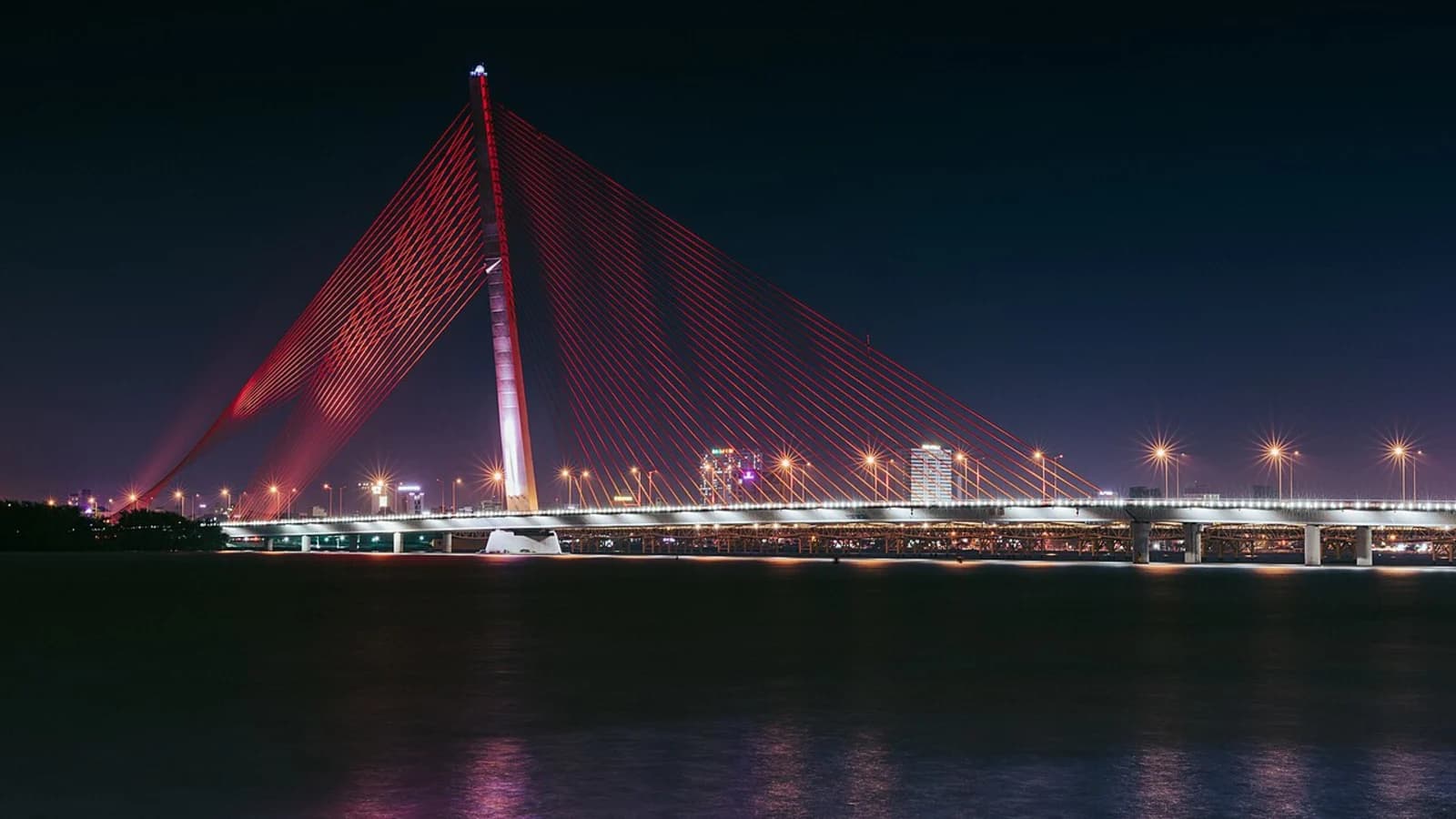
If you've been scrolling through travel content lately, you've probably noticed one destination showing up again and again: Vietnam.
From Ha Long Bay and Hanoi to Da Nang, Hoi An and Phu Quoc, Vietnam has quickly become one of the destinations Indian travellers are talking about in 2026. This interest has led to a major search spike for the best Vietnam tour packages from India.
And this isn't just an Instagram trend.
Vietnam recorded around 750,000 Indian visitors in 2025, up sharply from pre-pandemic levels, while India–Vietnam connectivity has expanded to around 90 direct flights a week from six Indian cities to Hanoi and Ho Chi Minh City.
So, why is everyone suddenly planning a Vietnam trip?
1. Getting there has become much easier
One of the biggest reasons behind Vietnam's popularity is simple: better flight connectivity.
In May 2026, Air India launched a new five-times-weekly nonstop Delhi–Hanoi service, adding to its daily Delhi–Ho Chi Minh City flights. This also makes open-jaw trips much easier — flying into Hanoi and returning from Ho Chi Minh City, for example.
More direct routes mean less travel time and more itinerary options, which makes booking Vietnam tour packages with flights from India far more convenient and competitive.
2. You get a lot without spending like Europe
Vietnam offers something Indian travellers increasingly want: an international holiday that feels premium without necessarily carrying a premium price tag.
When researching the average Vietnam trip cost from India, travellers are often pleasantly surprised by how far their budget goes. You can stay in stylish hotels, eat incredible food, explore major attractions and travel between cities without the kind of expenses associated with many European destinations.
And Vietnam isn't just one type of holiday. You can have a city break in Hanoi, a luxury cruise in Ha Long Bay, a beach holiday in Da Nang, a cultural escape in Hoi An and an island getaway in Phu Quoc — all during the same trip.
3. Vietnam has something for every kind of traveller
- Planning a honeymoon? Think about visiting Da Nang, Hoi An and Phu Quoc.
- Travelling with family? Hanoi, Ha Long Bay and Da Nang offer a comfortable mix of sightseeing and experiences.
- Going with friends? Add Ho Chi Minh City for nightlife, cafés and adventure activities.
And if you're travelling on a tighter budget, Vietnam still gives you plenty of ways to keep costs under control.
4. The 90-day e-Visa makes longer trips easier
Indian passport holders generally need a visa for mainland Vietnam, but Vietnam's e-Visa system makes the process relatively straightforward.
The official Vietnamese immigration portal currently states that e-Visas can be issued for up to 90 days, with either single or multiple entries. The official fee is US$25 for single entry and US$50 for multiple entry.
That flexibility is useful if you're planning a longer itinerary or combining Vietnam with another nearby destination.
5. The food scene works surprisingly well for Indian travellers
Vietnamese food is another big part of the appeal. Think steaming bowls of pho, fresh spring rolls, banh mi, rice dishes, tropical fruits and endless Vietnamese coffee.
And for vegetarians, Vietnam has a growing range of vegetarian and vegan options. In major tourist cities, you'll also find Indian restaurants, making the destination easier to navigate for travellers with specific food preferences.
6. It's not just Hanoi and Ho Chi Minh City anymore

Perhaps the biggest reason Vietnam feels exciting right now is the sheer variety.
- Hanoi gives you history, street food and old-world charm.
- Ha Long Bay brings dramatic limestone islands and cruises.
- Da Nang combines beaches with easy access to Central Vietnam.
- Hoi An delivers lantern-lit streets, heritage architecture and a slower pace.
- Phu Quoc offers tropical beaches and resort experiences, and has been receiving particular attention among Indian travellers in 2026.
7. Social media has put Vietnam on everyone's radar

Let's be honest — Instagram and Reels have played a role too. The lanterns of Hoi An, the Golden Bridge at Ba Na Hills, Ha Long Bay cruises and the beaches of Phu Quoc are incredibly visual.
But the interesting part is that the destination actually lives up to the pictures. There's enough variety beyond the viral locations to keep a week-long or even two-week trip interesting.
So, is Vietnam worth visiting in 2026?
For Indian travellers, Vietnam ticks a lot of boxes at once: improving flight connectivity, relatively straightforward e-Visa access, diverse experiences, strong value, and an itinerary that can work for couples, families, friends or solo travellers.
And perhaps that's the real reason Vietnam is trending. It's not just one destination. It's an entire holiday packed into one country.
Frequently asked questions
1. Why is Vietnam so popular among Indian tourists in 2026?
Vietnam's popularity is being driven by a combination of better direct air connectivity, strong value for money, diverse experiences, easier visa processing and growing awareness among Indian travellers. Indian arrivals reached around 750,000 in 2025, showing how quickly demand has grown.
2. Is Vietnam affordable for Indian travellers?
Yes. Vietnam can work across different budgets. Budget hotels, local food and public transport can keep costs relatively low, while luxury hotels, cruises and premium experiences are also widely available.
3. Do Indians need a visa for Vietnam in 2026?
For mainland Vietnam, Indian passport holders generally need a visa. Vietnam's official e-Visa system allows eligible foreign travellers to apply online, with e-Visas available for up to 90 days.
4. Which places should Indians visit in Vietnam?
For a first trip, a popular combination is Hanoi, Ha Long Bay, Da Nang, Hoi An and Ho Chi Minh City. If you want a beach-focused holiday, you can also consider Phu Quoc.
5. How many days are enough for Vietnam?
A 7–10 day trip works well for first-time visitors. Seven days lets you cover the major highlights, while 10–12 days gives you more time to explore at a relaxed pace.
6. Is Vietnam good for an Indian honeymoon?
Yes. Couples can combine Hoi An's romantic atmosphere, Da Nang's beaches, Ha Long Bay cruises and luxury stays in Phu Quoc for a honeymoon that mixes sightseeing and relaxation.
7. Is vegetarian food easy to find in Vietnam?
It can be, particularly in major tourist cities. However, travellers following a strict vegetarian or vegan diet should communicate their requirements clearly, because some Vietnamese dishes use fish sauce or fish-based ingredients.
8. Is Vietnam better than Thailand for an Indian traveller?
Neither is universally better — it depends on what you want. Thailand is excellent for islands, nightlife and established tourist infrastructure, while Vietnam offers a particularly strong combination of culture, scenery, food, history and value.
9. What is the best time to visit Vietnam?
There isn't one perfect month for the entire country, because Vietnam has significant regional weather differences. For a first trip covering multiple regions, March and April are often attractive months, but your ideal timing depends on the specific destinations in your itinerary.
10. Is Vietnam worth visiting in 2026?
If you're looking for an international holiday that combines affordability, unique experiences, improving connectivity and plenty of destinations to explore, Vietnam is one of the strongest options for Indian travellers in 2026.